Brow Lift

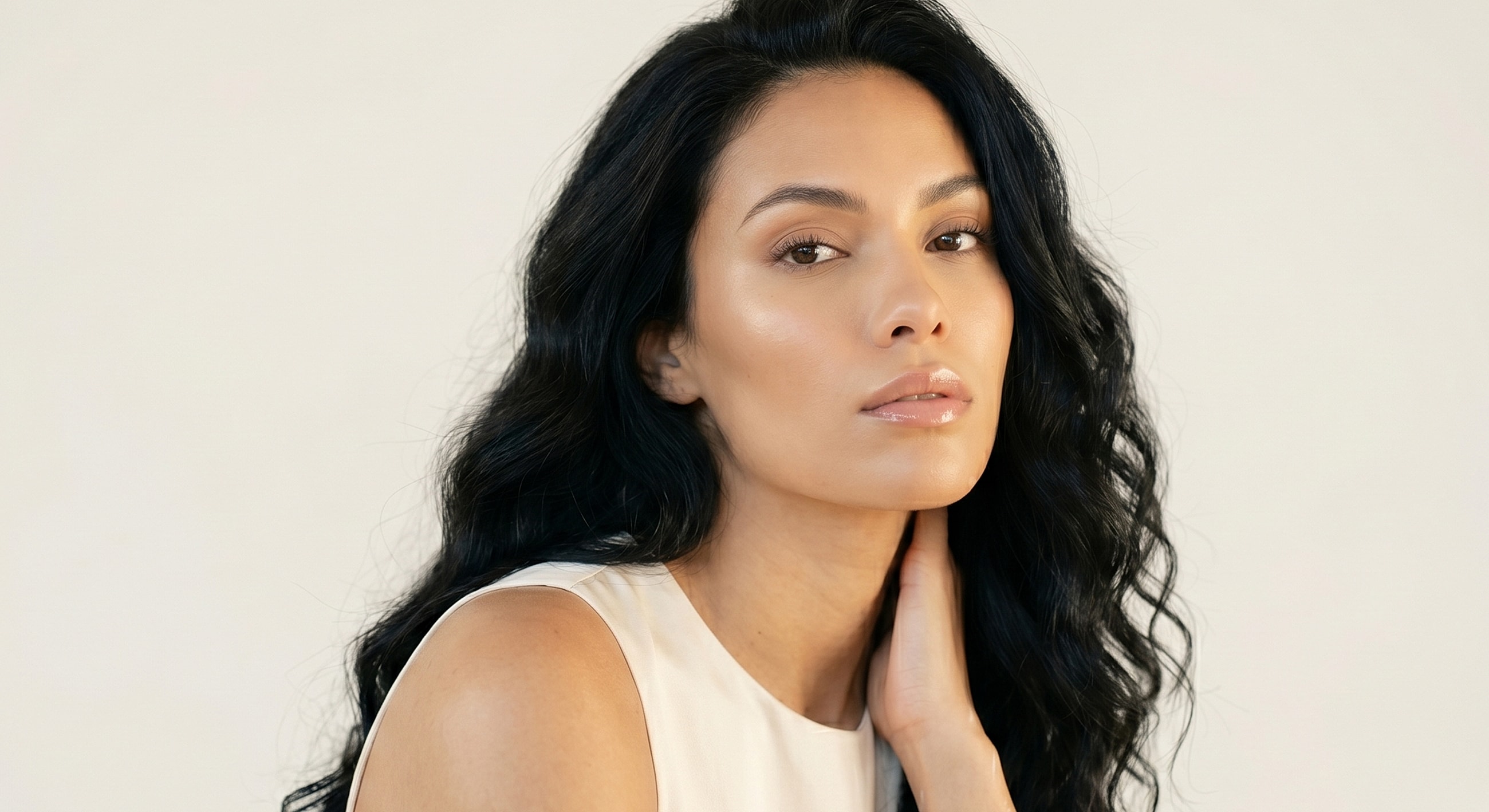
When the brow and forehead begin to descend with age, the effects extend beyond lines and creases. Drooping eyebrows can hood the upper eyelids, creating a perpetually tired, angry, or sad expression, even when you feel none of those things. A brow lift surgery addresses these concerns at their source, repositioning the brow complex and smoothing forehead wrinkles to restore a more approachable, rested look.
Dr. Noah Sands brings nearly a decade of academic experience and double fellowship training in facial plastic surgery to every Beverly Hills brow lift procedure. His approach centers on understanding each patient’s unique facial structure and aesthetic goals, then crafting a personalized treatment plan that respects natural proportions. The result is subtle rejuvenation, where friends notice you look refreshed.
Typically 1–2 hours, depending on the type of brow lift and whether combined with other procedures
Usually local anesthesia with sedation, or general anesthesia based on patient preference and surgical plan
Most patients return to social activities within 10–14 days; initial swelling and bruising resolve over 2–3 weeks
Many years of improvement, though the natural aging process continues
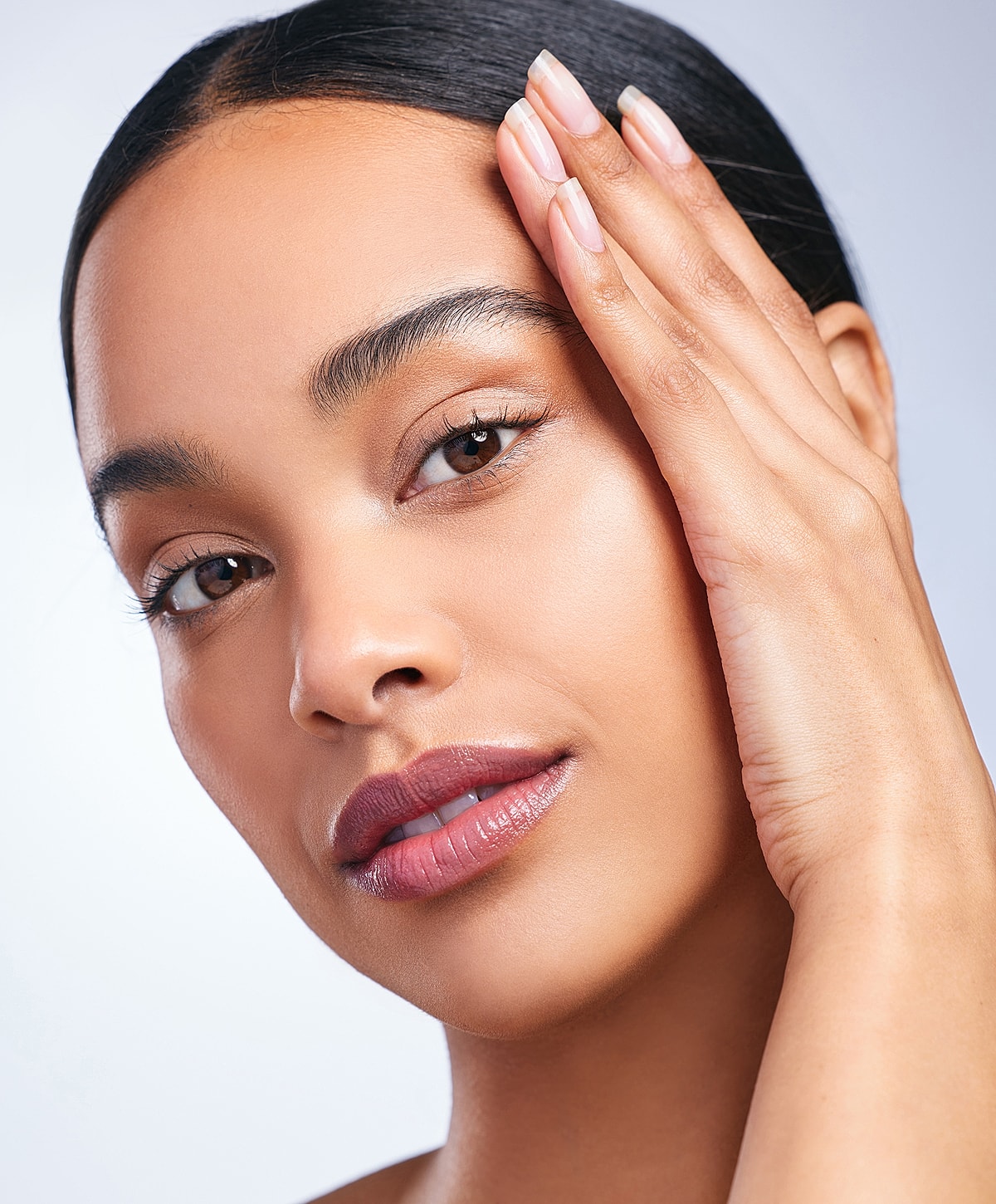
A brow lift (also called a forehead lift or browplasty) is a surgical procedure designed to elevate the forehead tissues and eyebrows, smoothing horizontal forehead wrinkles, softening vertical frown lines between the brows, and reducing heaviness over the upper eyelids. The aging process, combined with sun exposure, loss of skin elasticity, and genetic factors, causes the brow to gradually descend, creating an appearance that may not reflect how you actually feel.
Several brow lift options exist, each suited to different anatomies and goals. The endoscopic brow lift uses small incisions hidden behind the hairline and a camera to guide precise tissue repositioning—a minimally invasive procedure that has become the most common approach. A coronal brow lift (or classic forehead lift) involves a longer incision from ear to ear for more comprehensive lifting in cases of severe sagging. The temporal brow lift targets the outer brows specifically, while a pretrichial brow lift follows the hairline to avoid raising it in patients with higher foreheads.
When appropriate, a forehead or brow lift can be combined with upper blepharoplasty or facelift surgery to address multiple areas of the face in a single recovery period.
On the day of your brow lift Beverly Hills patients should arrive at the surgical facility approximately 1–2 hours before their scheduled time. Dr. Sands will review your personalized treatment plan, mark the planned incision sites, and ensure you feel comfortable with each step. Anesthesia is administered, either local anesthesia with sedation or general anesthesia, before the procedure begins.
For an endoscopic forehead lift, Dr. Sands creates 3–5 small incisions, each approximately 3/4 inch, positioned behind the hairline, where they remain hidden. A thin endoscope with a camera allows visualization of the underlying muscles and soft tissue. The brow is carefully lifted and repositioned, excess tissue is released, and the forehead is secured at its new elevation using specialized fixation techniques. This approach typically takes 60–90 minutes.
For patients requiring a different technique, such as a direct brow lift, temporal lift, or open brow lift, incision placement varies. A lateral brow lift addresses the outer brow through incisions in the temporal hair tuft, while a mid-forehead brow lift or direct brow technique may place incisions within existing forehead creases for patients with deep lines. Dr. Sands selects the brow lift technique that best matches your hairline, degree of ptosis, and aesthetic goals, always prioritizing minimal scarring.
Following surgery, you’ll rest in the recovery area while the team monitors your comfort. Most patients go home the same day with light head wrapping and detailed aftercare instructions.

A brow lift targets age-related and genetic changes that affect the upper third of the face. Rather than masking symptoms, this cosmetic procedure addresses the underlying cause of an aged or fatigued appearance.
Common conditions treated include:
It’s worth noting that while a brow lift can improve the appearance of excess upper eyelid skin caused by brow descent, it does not directly treat lower eyelid bags, under-eye hollowing, or excess tissue of the lower face. Those concerns may require additional procedures such as eyelid surgery or neck surgery.
The brow lift focuses on the forehead, the brow area, and the glabella, the region between the eyebrows where vertical frown lines form. By repositioning these tissues, the procedure also provides secondary improvement in upper eyelid hooding caused by drooping eyebrows.
A brow lift does not change the shape of your eyes themselves. Rather, by elevating the brow and smoothing forehead rejuvenation concerns, the eyes often appear more open, brighter, and better rested, a subtle enhancement that preserves your natural facial harmony.

A well-executed surgical brow lift delivers meaningful, lasting improvement to the upper face. Patients often describe looking as rested and refreshed as they feel—a change that enhances confidence without appearing artificial.
Key benefits include:
Dr. Sands takes a conservative approach to brow elevation, typically aiming for 3–5mm of lift that respects gender-appropriate aesthetics—a slightly higher arch for women, a straighter brow for men. The goal is a refreshed appearance, never the overly surprised “deer-in-headlights” look that results from overcorrection.
Ideal candidates for brow lift in Beverly Hills are typically adults in their 40s through 60s who have noticed progressive descent of the brows and deepening forehead wrinkles. However, younger patients in their 30s with hereditary low-set brows or pronounced lines may also benefit from this cosmetic surgery.
Good candidates generally:
Those who may not be ideal candidates include:
During your consultation, Dr. Sands reviews your medical history, examines your facial structure and brow position, and discusses whether a brow lift, nonsurgical treatments, or a combination approach best serves your goals.
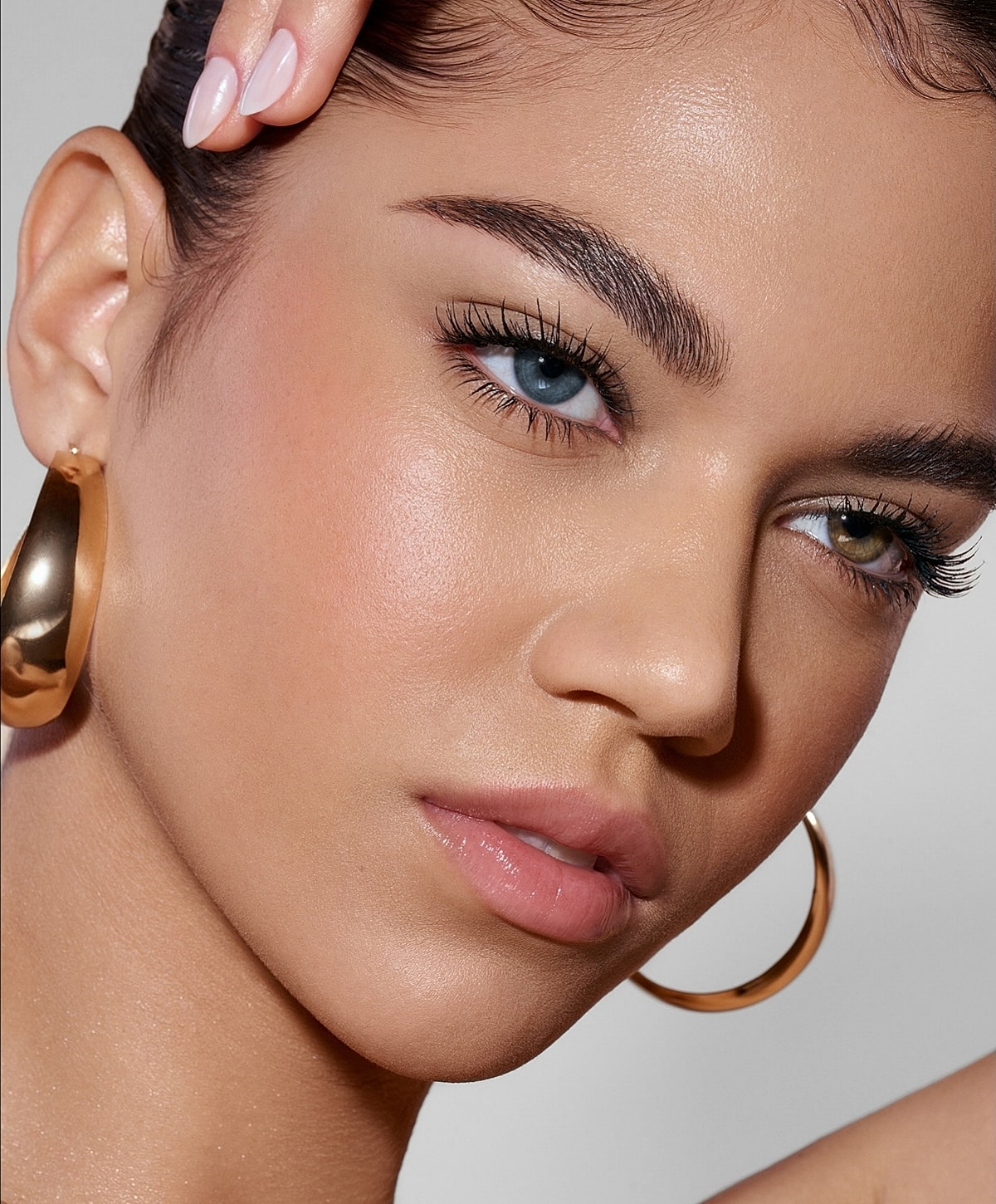
The first week following your lift procedure focuses on rest and allowing initial healing. Expect swelling and bruising around the forehead and eyes, with peak intensity around days 3–5. Keeping your head elevated at 30–45 degrees and applying cold compresses helps minimize swelling and support comfort.
Recovery timeline:
Activity guidelines:
Mild numbness, itching, or tightness of the scalp and forehead is common and gradually improves over several weeks to months. Approximately 80% of patients experience full sensation return within 3–6 months.
Following Dr. Sands’ personalized aftercare instructions and attending all follow-up appointments at the surgical site ensures optimal healing and brow lift results.
Patients typically notice visible improvement once initial swelling subsides, usually within the first 1–3 weeks. The forehead appears smoother, the brows sit at a more youthful position, and the eyes look brighter and more open. As tissues continue to settle and incisions heal over the following months, the final, refined result emerges, generally reaching its full expression around 3–6 months post-procedure.
Results from a surgical brow lift commonly last many years. While no cosmetic procedure stops the aging process entirely, patients often enjoy their refreshed appearance for 7–10 years or longer, depending on skin elasticity, lifestyle factors, and genetics. Sun protection, healthy habits, and occasional maintenance treatments, such as neuromodulators, can help extend and preserve your results. Dr. Sands’ goal is subtle, natural change, the kind where colleagues notice you look rested and refreshed, not that you’ve had plastic surgery.
Dr. Noah Sands is a double board-certified facial plastic surgeon with nearly a decade of academic experience at Mount Sinai Hospital, where he trained residents and fellows in advanced facial reconstructive surgery techniques. His expertise centers specifically on the face, allowing for the meticulous attention to detail that forehead lift procedure outcomes demand.
To explore whether a brow lift aligns with your goals, schedule a consultation at Dr. Noah Sands’ Beverly Hills practice.
While no surgery stops the clock entirely, brow lift improvements typically last 7–10 years or longer. Individual results depend on skin quality, sun exposure, genetics, and lifestyle factors. Patients can help maintain their results by practicing consistent sun protection, maintaining healthy habits, and occasionally receiving nonsurgical treatments such as neuromodulators, which Dr. Sands may recommend based on your ongoing needs.
A brow lift repositions the eyebrows and forehead skin but does not alter the underlying shape of your eyes. By lifting heavy brows and reducing hooding over the upper eyelids, your eyes can appear more open and rested—while preserving your natural eye contour and expression. The procedure targets the brow and forehead region specifically, leaving the eyelid crease and canthal angles unchanged.
A nonsurgical brow lift uses strategic neuromodulator injections (such as Botox) to relax specific muscles, creating a mild, temporary elevation of the brows (typically 1–2mm) and smoothing dynamic lines. Effects last approximately 3–4 months and require ongoing maintenance. A surgical brow lift physically repositions and secures the brow and forehead tissues for more significant, longer-lasting improvement. Dr. Sands can help you determine which approach, or a combination, best suits your goals and tolerance for recovery.
All surgical procedures involve incisions, but brow lift scars are strategically placed in discreet locations. Depending on the technique, incisions may be hidden within the hairline, along the frontal hairline, or within natural forehead creases. Scars typically fade to fine, hypopigmented lines over 6–12 months and are difficult to detect in everyday interactions. Dr. Sands carefully places incisions based on your hairline position, hair density, and styling preferences to minimize scarring.
Most patients describe post-operative discomfort as mild to moderate tightness or soreness rather than significant pain. Pain medication is prescribed for the first few days, and many patients transition to over-the-counter options like acetaminophen by day 3. Following instructions to keep your head elevated, use cold compresses, and take medications as directed helps keep you comfortable throughout recovery.
Many patients safely combine a brow lift with upper blepharoplasty, lower eyelid surgery, facelift, or skin resurfacing to address multiple concerns during a single surgical experience and recovery period. Combining procedures can be more efficient but does extend operating time, so Dr. Sands evaluates each case individually based on your health status, goals, and the complexity of the procedure. Your consultation is the ideal time to discuss whether a combined approach is appropriate for you.