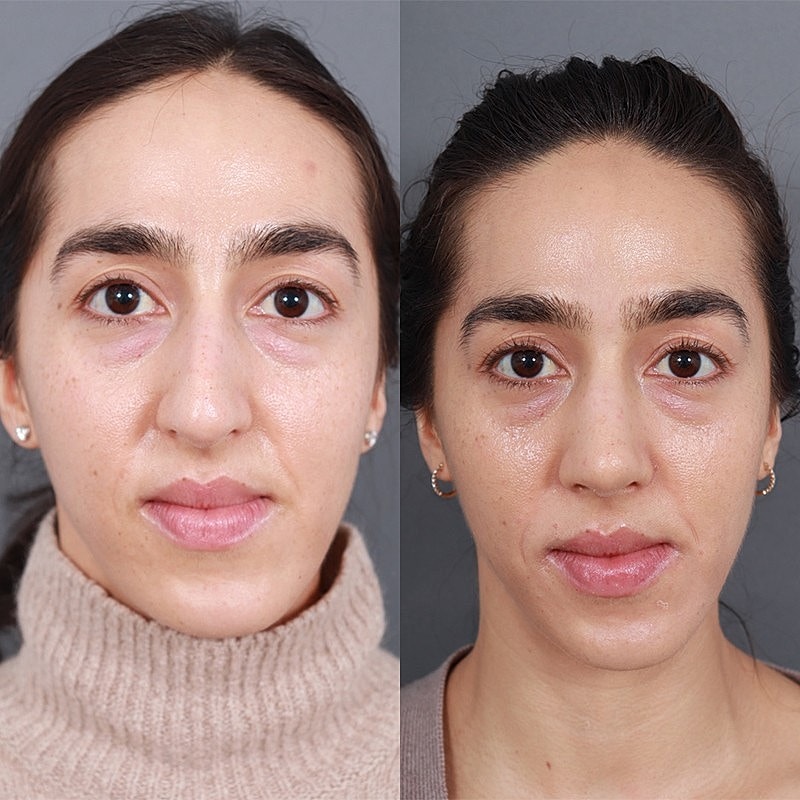
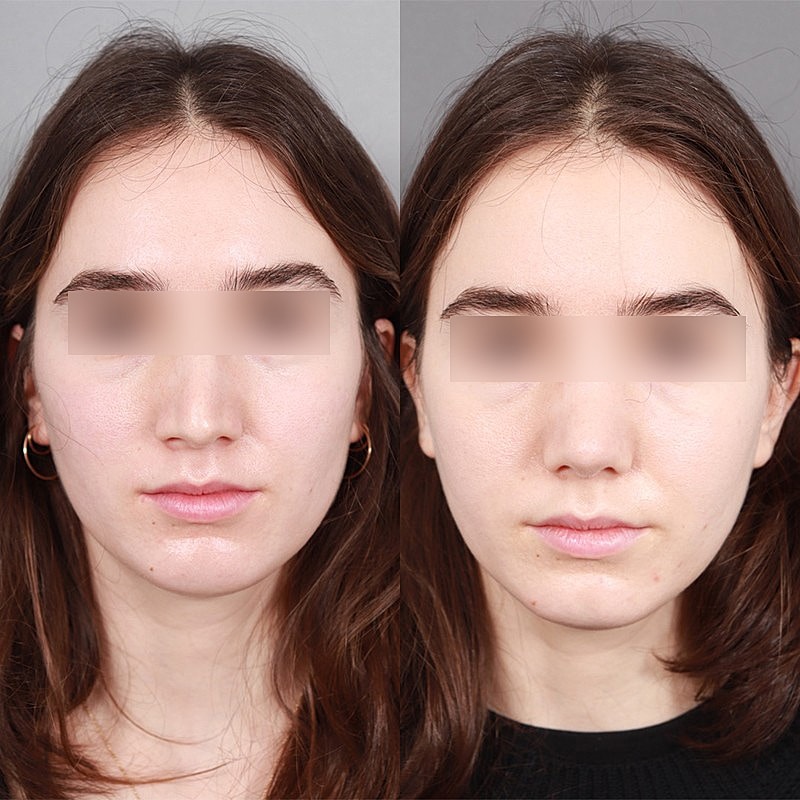
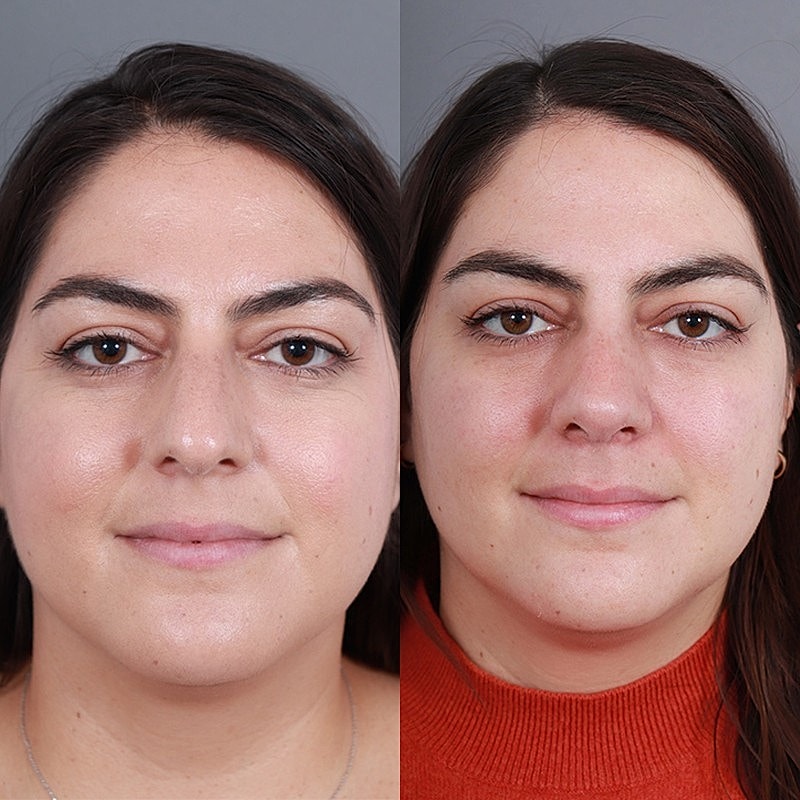
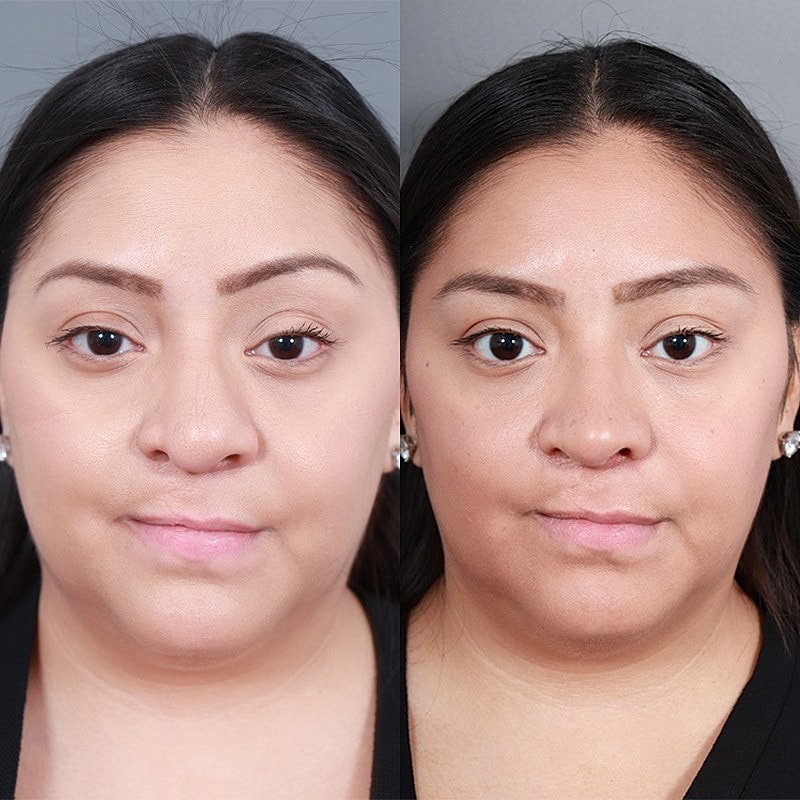
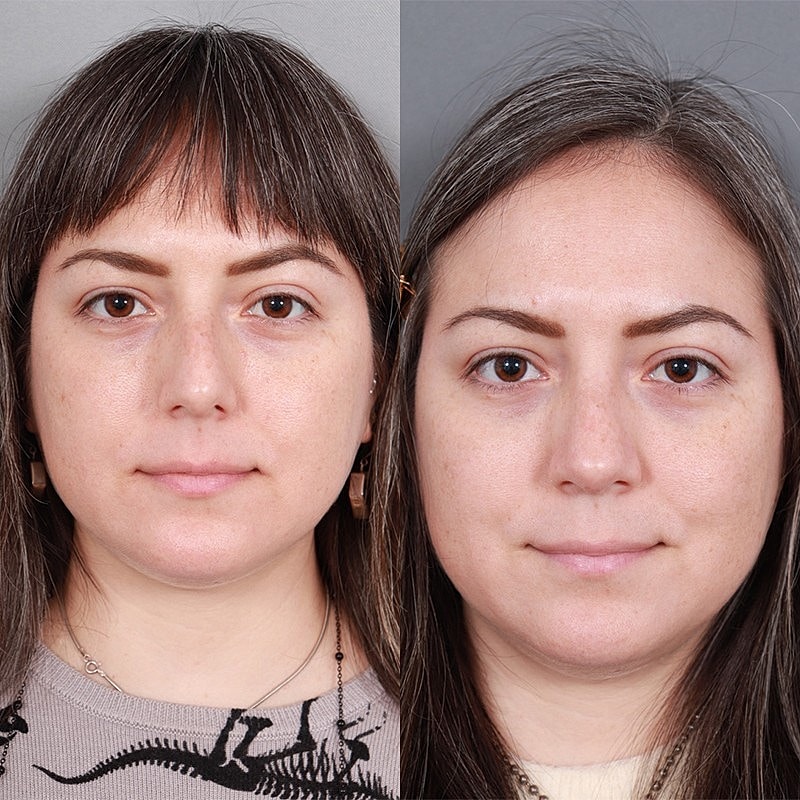
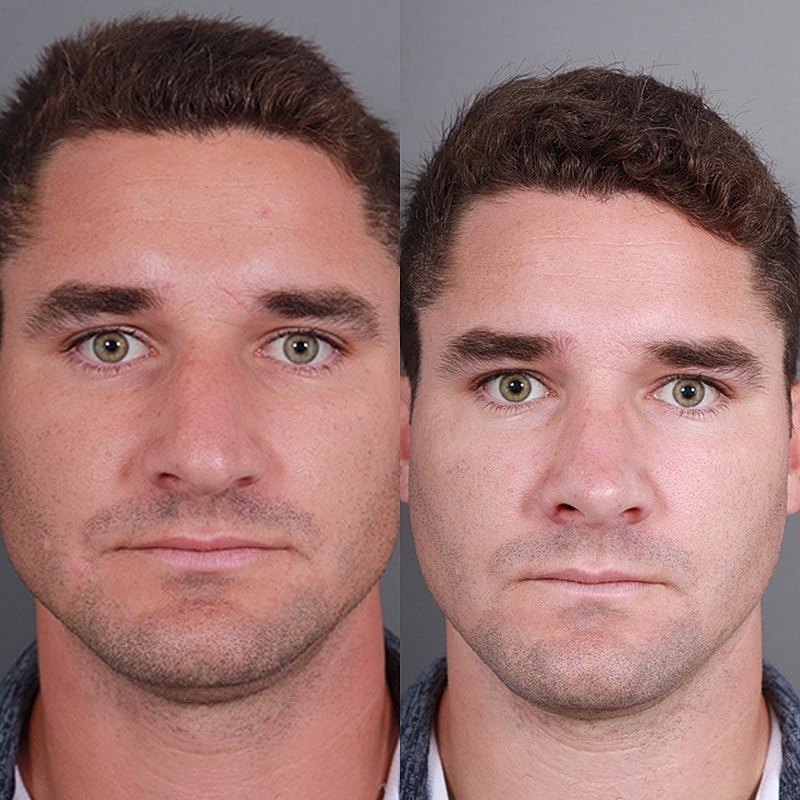
Rhinoplasty
Los Angeles, CA

Rhinoplasty surgery remains one of the most transformative procedures in plastic surgery, capable of reshaping both form and function in a single operation. At Dr. Noah Sands in Beverly Hills, our approach to nose surgery combines technical precision with an artistic eye for facial balance. Dr. Sands' expertise in facial plastic surgery ensures that each rhinoplasty is performed with a comprehensive understanding of both aesthetic and reconstructive principles.
As a double board-certified facial plastic surgeon, Dr. Sands brings extensive experience in both primary and revision rhinoplasty. He spent nearly a decade at Mount Sinai Hospital in New York City as an academic mentor, training residents and fellows in the complexities of nasal reconstruction. Beverly Hills is recognized as a hub for specialized facial plastic surgeons, and this background ensures that every rhinoplasty consultation begins with a thorough nasal analysis, enabling a surgical plan tailored to your unique nasal anatomy and personal goals.
Surgical procedure performed under general anesthesia
1.5 to 3 hours, depending on complexity
1-2 weeks before returning to normal activities
Initial improvements visible at 2-3 weeks; final results emerge over 12-18 months
Rhinoplasty is a surgical procedure that modifies the nasal structure to improve appearance, function, or both. Often called a nose job, this operation addresses the bone and cartilage that form the shape of the nose, allowing for precise adjustments to the nasal bridge, nasal tip, and overall nasal framework. The human nose is structurally composed of three types of tissue: an osseo-cartilaginous support framework, a mucous membrane lining, and an external skin.
Our Beverly Hills rhinoplasty procedure reshapes the nasal bones, upper lateral cartilages, and lower lateral cartilages to achieve facial balance while preserving or improving nasal function. The nasal muscles play a key role in maintaining nasal patency and supporting the external nasal valve, which is important for optimal airway function. Surgeons access these structures through either open rhinoplasty or closed rhinoplasty techniques.
Involves a small incision across the columella, providing direct visualization of internal nasal anatomy. This approach is particularly valuable for complex cases that require extensive work on the nasal tip or the placement of cartilage grafts.
Procedure keeps all incisions within the nasal passages, often resulting in a faster initial recovery and no external scarring. The internal nasal valve, formed by the junction of the upper lateral cartilages and the dorsal septum, is the narrowest portion of the nasal passage and is critical for maintaining airflow.
Uses piezoelectric instruments to make precise cuts in the paired nasal bones, reducing trauma to surrounding nasal tissues and blood vessels, such as the posterior ethmoid arteries and the superior labial artery. This technology minimizes bruising and swelling compared to traditional methods. When dorsal hump reduction is performed, spreader grafts are commonly used to support the internal nasal valve and improve airflow, especially when stabilizing the upper lateral cartilages.
addresses breathing problems caused by structural abnormalities, while cosmetic rhinoplasty focuses on aesthetic improvements. Many patients benefit from septorhinoplasty, which combines correction of a deviated septum with external reshaping for comprehensive results.
Surgery day begins with arrival at our accredited surgical facility, where you will meet with the anesthesia team and review final details with Dr. Sands. The procedure is performed as an outpatient procedure, meaning you will return home the same day. Once general anesthesia takes effect, the planned incisions are made based on whether you are receiving open or closed rhinoplasty. In open rhinoplasty, a small incision across the columella lifts the skin, revealing the underlying nasal skeleton for direct manipulation.
The bone and cartilage framework is addressed according to a personalized surgical plan. This may involve reducing a nasal hump by carefully removing excess bone from the nasal dorsum, followed by precise osteotomies to narrow the nasal bridge. Ultrasonic instruments allow exceptional control during these modifications, protecting the nasal blood supply and nasal innervation. Refining the nasal tip through suture techniques and cartilage reshaping adjusts projection and rotation for improved facial harmony. Cartilage grafts harvested from the nasal septum, the ear, or the rib provide structural support when needed. Correcting the nasal septum improves nasal airflow through the nasal cavity, addressing difficulty breathing that may have affected you for years.
The rhinoplasty surgery typically lasts between 90 minutes and 3 hours, with more complex revision or reconstructive cases requiring additional time. At completion, internal splints and an external cast are placed to support the new nasal shape during initial healing.
Rhinoplasty treats a wide range of functional and aesthetic concerns affecting the nose and surrounding facial structures.
Nose job surgery delivers both functional improvements and aesthetic enhancements that positively impact daily life. The combination of improved nasal function and refined external nasal anatomy makes rhinoplasty unique among aesthetic surgery procedures, often delivering benefits that extend well beyond appearance alone.
Correction of structural problems like a deviated septum and valve collapse can dramatically improve nasal airflow, making breathing easier during sleep and physical activity
A well-proportioned nose creates facial balance, drawing attention to your eyes and other features rather than the nose itself
Nasal reconstruction restores normal appearance and function following trauma or congenital abnormalities
Many patients report increased comfort in social and professional situations after rhinoplasty
Unlike non-surgical alternatives, the structural changes achieved through nasal surgery remain stable for life
Addressing nasal obstruction may improve sleep quality and reduce symptoms associated with an obstructed airway during rest
Ideal candidates for rhinoplasty have completed facial growth, which typically occurs between ages 16-18 in females and 18-21 in males. You should be in good overall health, a non-smoker or willing to quit several weeks before and after surgery, and have realistic expectations about what your Beverly Hills rhinoplasty procedure can achieve.
Consider rhinoplasty if you:
Secondary rhinoplasty or revision surgery addresses concerns from the initial surgery. These revision rhinoplasty procedures require specialized expertise due to altered nasal anatomy and scar tissue from the prior operation.
Those with uncontrolled bleeding disorders, active infections, or certain medical conditions may need to postpone or avoid surgery. Patients with body dysmorphic disorder or unrealistic expectations benefit from psychological evaluation before proceeding.
Non-surgical alternatives, such as liquid rhinoplasty with injectable fillers, can temporarily address minor concerns. However, these treatments cannot reduce the size of the nasal cavity, improve breathing, or provide permanent results like nasal surgery.
The first few days following your rhinoplasty procedure involve moderate discomfort, swelling, and bruising around the nose and eyes. Pain medication keeps you comfortable, and cold compresses help reduce swelling. You’ll sleep with your head elevated and avoid any pressure on the nasal tissues.
Follow-up appointments at 1 week, 1 month, 3 months, 6 months, and 1 year allow your surgeon to monitor healing and address any concerns throughout your recovery journey.
Initial results become visible once your cast is removed, though significant swelling masks the final outcome. By 2-3 weeks, you’ll see meaningful improvement in your nose’s shape, and most patients feel comfortable in social situations.
Approximately two-thirds of swelling resolves within the first month, with continued refinement over the following year. The nasal tip, being furthest from the nasal skeleton, retains the longest-lasting subtle swelling. Patients with thicker skin should anticipate a longer timeline to see the final tip definition.
The structural changes achieved through rhinoplasty are permanent. Your reshaped bone and cartilage framework maintains its new position indefinitely. However, natural aging processes affect all facial tissues over decades, including gradual skin laxity and subtle changes in cartilage that may slightly alter appearance.
Approximately 10-15% of rhinoplasty patients eventually seek additional surgery to further refine results or address concerns that emerge as healing completes. Revision rhinoplasty procedures typically wait at least one year after the initial surgery to allow complete healing and accurate assessment of the primary rhinoplasty outcome.
1 of 8
Dr. Noah Sands is a double board-certified facial plastic surgeon with years of specialized training and experience. With a decade of experience training future surgeons at Mount Sinai Hospital, his approach is grounded in evidence and an unwavering moral responsibility to the craft. This dual expertise ensures your results look natural while improving or preserving your ability to breathe comfortably.
Our practice offers advanced technology, including 3D imaging for surgical planning, so you can visualize potential outcomes during your consultation. We perform precise osteotomies using piezoelectric instruments when appropriate, minimizing trauma to delicate nasal structures and reducing postoperative bruising. Every rhinoplasty consultation includes a comprehensive nasal analysis examining both external nasal anatomy and internal structures. Our commitment extends beyond the operating room through a structured aftercare program with regular follow-up appointments throughout your recovery.
Most patients describe discomfort rather than significant pain following rhinoplasty. The nose feels congested and pressure-like during the first week, manageable with prescribed pain medication. Discomfort typically decreases substantially after cast removal, with most patients requiring only over-the-counter pain relief by week two.
Common risks include bleeding, infection, asymmetry, and dissatisfaction with aesthetic results. Specific complications may include persistent swelling, numbness at the nasal tip, or changes in breathing. Choosing an experienced board-certified plastic surgeon and following all pre- and post-operative instructions significantly reduces these risks.
Yes, functional rhinoplasty specifically addresses breathing problems caused by structural abnormalities. Correction of a deviated septum, repair of internal nasal valve collapse, and reduction of enlarged turbinates can significantly improve nasal airflow and reduce difficulty breathing through the nose.
Rhinoplasty costs vary considerably based on several factors, making it difficult to provide a single price point without a thorough rhinoplasty consultation.
Factors affecting cost include:
National averages for total rhinoplasty costs range from $10,000 to $20,000, with revision rhinoplasty often exceeding $25,000 due to increased complexity.
Insurance considerations: Functional rhinoplasty addressing documented breathing problems may qualify for insurance coverage, while purely cosmetic rhinoplasty typically does not. Many patients combine insurance-covered functional components with out-of-pocket cosmetic improvements.
We offer financing options to help make your rhinoplasty investment more manageable. The permanence of surgical results provides long-term value compared to temporary alternatives that require repeated treatments.