Hair Transplant

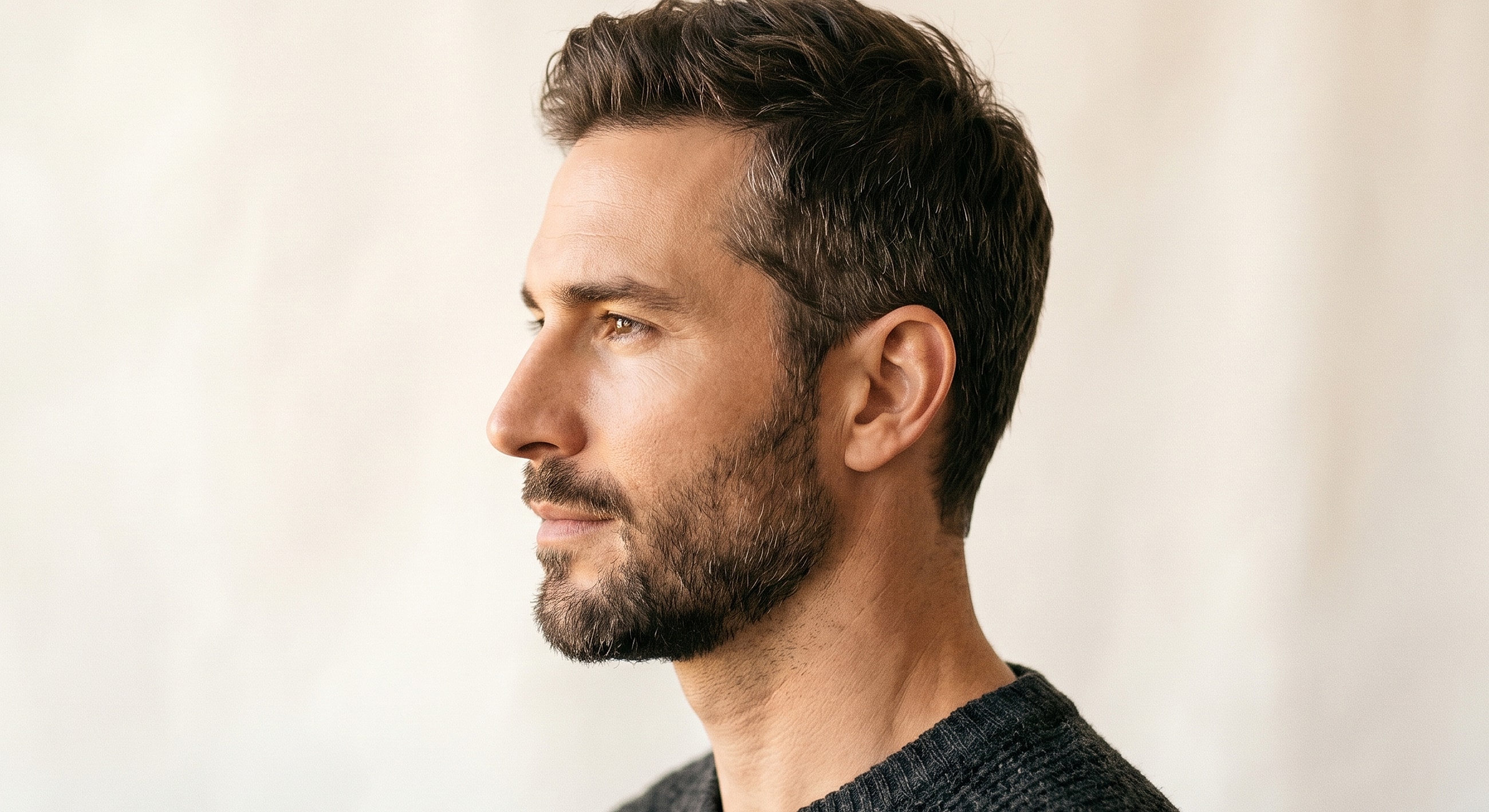
Dr. Noah Sands provides comprehensive hair restoration surgery at his Beverly Hills practice, where patients receive personalized treatment plans designed around their unique hair loss patterns and aesthetic goals. His expertise spans scalp hair transplantation, eyebrow reconstruction, and facial hair transplants, including beard and mustache restoration.
Beverly Hills is a major hub for hair restoration, known for its advanced techniques and highly rated clinics. When choosing a hair restoration clinic, it’s essential to prioritize the surgeon’s involvement and specialization. Dr. Sands brings this level of dedication to every procedure, ensuring patients benefit from his direct expertise throughout their hair restoration journey.
4-8 hours depending on graft count and technique
Most patients return to work within 3-7 days
New hair growth begins at 3-4 months; full results visible at 12-18 months
90-98% with experienced surgical technique
Hair transplant surgery is a hair restoration procedure that relocates individual hair follicles from a donor area, typically the back and sides of the scalp, where hair naturally grows resistant to hormonal thinning, to bald or thinning areas. This minimally invasive procedure restores hair density by placing healthy hair grafts into recipient sites, where they establish blood vessels and continue growing permanently.
Two primary techniques define a modern hair transplant in Beverly Hills. Follicular Unit Extraction (FUE) involves removing individual follicular units one by one using small punches, resulting in minimal scarring and quicker recovery. The strip method, known as Follicular Unit Transplantation (FUT), removes a strip of skin from the donor site, which is then dissected into individual follicular units for precise placement. Both approaches achieve natural results when performed by a skilled surgeon.
Robotic hair restoration devices assist surgeons during the FUE procedure by using cameras and robotic arms to enhance precision in harvesting hair follicles; systems like NeoGraft and ARTAS are FDA-approved for this purpose. Dr. Sands utilizes specialized techniques appropriate to each patient’s hair loss pattern, donor hair availability, and desired outcomes.
Beyond scalp hair restoration, hair transplant procedures address eyebrow restoration for patients seeking fuller brows, beard hair transplantation for men wanting denser facial hair, and sideburn reconstruction. These applications require a precise understanding of the natural direction of hair growth and the unique density patterns in each facial area.

Our Beverly Hills hair transplant surgery is an outpatient procedure performed under local anesthesia, keeping patients comfortable throughout the session. The day begins with final markings of the hairline design and donor area mapping, followed by anesthesia administration to ensure a pain-free experience.
During the harvesting phase, the surgeon harvests individual hair follicles or a donor strip from the safe donor zone at the back of the scalp. For FUE procedures, tiny punches extract follicular units one by one, minimizing follicle transection and preserving graft survival. FUT involves removing a strip of tissue, which is then meticulously dissected under magnification to isolate healthy donor grafts.
The prepared hair grafts (containing one to four individual hair shafts each) are then placed into tiny recipient sites created at precise angles that match the natural growth direction of hair in that area. This attention to natural appearance ensures the transplanted hair blends seamlessly with existing hair. Procedure duration typically ranges from 4 to 8 hours, depending on the number of grafts required, with mega-sessions potentially delivering 4,000 or more grafts in a single appointment.

With a hair transplant Beverly Hills patients can effectively treat male pattern baldness and androgenetic alopecia, the most common causes of progressive hair loss in men. This includes receding hairlines, temple recession, and crown balding, which occur when hair follicles become sensitive to dihydrotestosterone.
Female pattern hair loss presents differently, typically causing diffuse thinning across the scalp rather than distinct bald areas. Women experiencing this pattern of hair loss may benefit from hair restoration surgery when sufficient donor hair density exists.
Beyond genetic hair loss, hair transplantation addresses scar revision and trauma-related hair loss, restoring hair growth to areas damaged by injury, burns, or previous surgeries. Patients with thinning hair from various causes can restore hair density and achieve a fuller appearance through strategic graft placement.
Hair restoration addresses multiple areas of the scalp, including the frontal hairline, temples, and crown. Hairline transplant procedures recreate a natural hairline that frames the face appropriately for the patient’s age and facial structure.
Eyebrow transplantation restores brow density and shape by placing individual hair follicles at the precise angles at which brow hairs naturally grow. Beard hair and mustache transplants provide fuller facial hair coverage for men seeking enhanced density. Temple and sideburn restoration completes facial framing for comprehensive aesthetic improvement.

The permanence of hair restoration surgery makes it a definitive solution for patients tired of managing progressive hair loss with temporary measures. Hair transplant surgery delivers meaningful advantages that extend beyond cosmetic improvement:
Ideal candidates for hair transplant surgery have sufficient donor hair density in the back and sides of the scalp to supply enough hair for meaningful restoration. Dr. Sands evaluates donor area quality, including hair density, hair shaft caliber, and scalp laxity, to determine how many grafts can be safely harvested.
Age considerations matter for hair restoration patients. A hair transplant depends on having a stable hair loss pattern, which typically becomes apparent after age 25 for male pattern baldness. Younger patients may still be experiencing progressive loss, making it difficult to plan a hair restoration treatment plan that addresses future thinning.
Realistic expectations remain essential. While hair transplantation effectively restores density to bald areas, patients with limited donor hair may require more than one procedure or combination approaches to achieve their goals. Contraindications include uncontrolled medical conditions, bleeding disorders, and active scalp infections. Non-smokers or those willing to stop smoking before surgery generally experience better healing and graft survival.
During consultation, Dr. Sands assesses individual factors, including the extent of hair loss, donor availability, scalp characteristics, and overall health, to determine candidacy and develop an appropriate treatment plan.
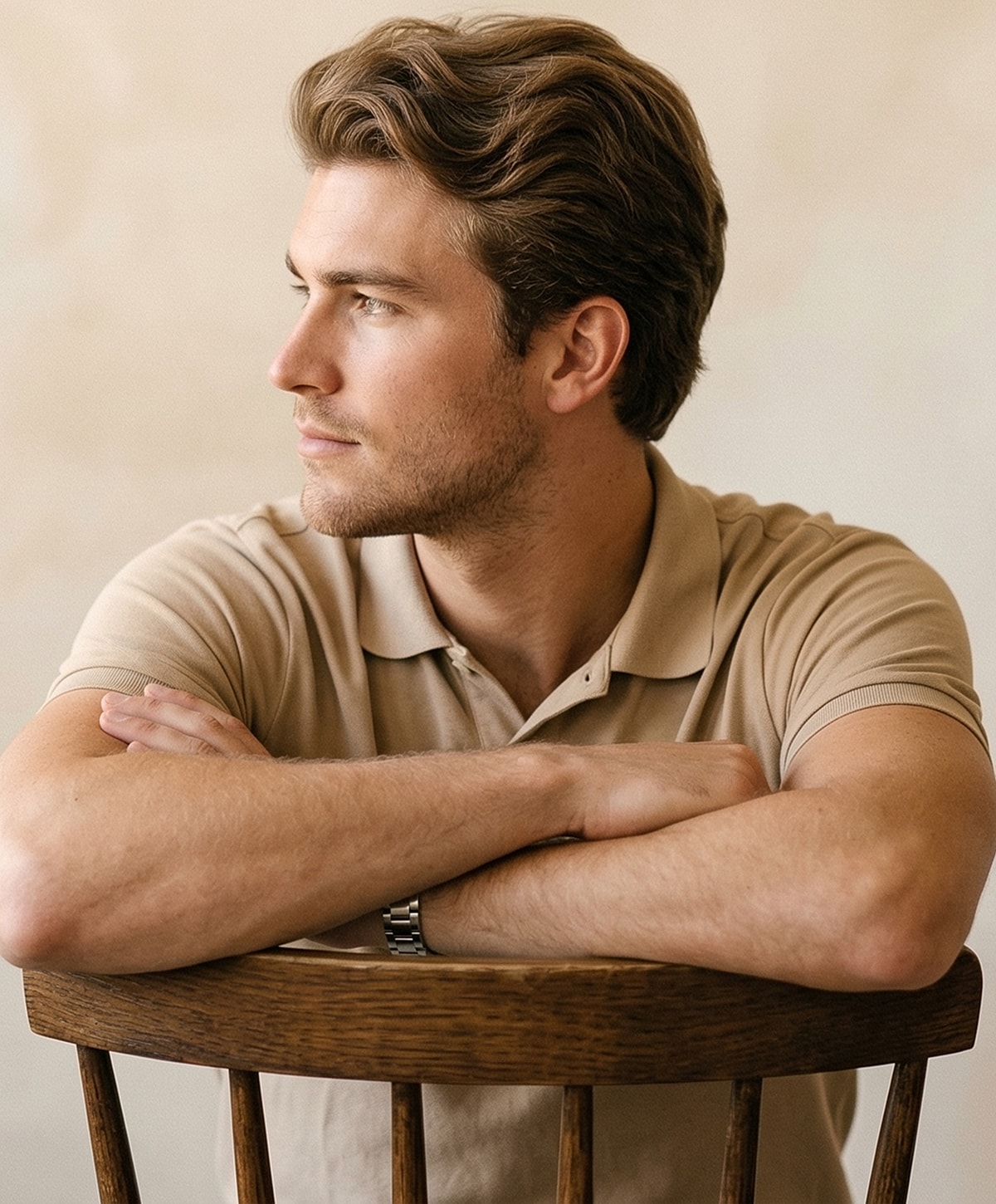
Hair transplant surgery is generally considered a safe, low-risk outpatient procedure when performed by a qualified surgeon. Post-operative antibiotics are often prescribed to prevent infections at the graft sites, contributing to the overall safety of the procedure.
The first 48 hours involve keeping your head elevated and following specific care instructions. After a hair transplant Beverly Hills patients can expect some swelling in the facial area, which typically begins at the scalp and moves toward the forehead and face, lasting a few days. Patients are often advised to take a week off work following the procedure to allow for recovery and to manage any swelling or discomfort that may occur.
Scab formation at recipient sites is normal, and the healing process typically takes 7 to 14 days in most patients. Modern FUE techniques are minimally invasive, allowing most patients to return to work within 3 to 7 days. FUT recovery may require suture removal at 10-14 days, with slightly longer restrictions on strenuous activity.
Hair-washing protocols begin gently in the first few days, using careful technique to avoid disturbing newly placed grafts. Dr. Sands provides detailed aftercare instructions and schedules follow-up appointments to monitor progress throughout recovery.
Transplanted hair typically sheds in the first few weeks, with new growth usually beginning at 3 to 4 months. This initial shedding is completely normal; the hair shafts shed while follicles enter a resting phase before producing new, healthy hair.
It is common for patients to experience shock loss, where existing hair may temporarily thin or fall out after the transplant, but this is usually a temporary condition. The surrounding original hair typically recovers within several months as the scalp stabilizes.
Substantial visible improvement appears between 6 and 9 months, with final results, including full hair density and texture maturation, developing by 12 to 18 months post-procedure. Because transplanted follicles come from the safe donor zone, they retain their resistance to androgenetic alopecia and continue growing permanently.
Some patients with extensive hair loss may benefit from multiple procedures to achieve optimal density, or may combine a hair transplant with platelet-rich plasma therapy to stimulate hair follicles and enhance results.
Dr. Noah Sands brings extensive experience in cutaneous and aesthetic surgery to his Beverly Hills hair restoration practice. His background in facial plastic surgery provides the artistic foundation necessary for creating natural hairlines and density patterns that complement each patient’s facial structure.
Offering both FUE and FUT hair transplant techniques, Dr. Sands tailors his approach based on several factors, including donor characteristics, degree of hair loss, and patient preferences regarding scarring and recovery. His emphasis on graft survival through meticulous handling ensures that transplanted follicles establish successfully.
The practice provides comprehensive hair restoration services beyond transplantation, including evaluation for combination approaches that may incorporate platelet-rich plasma to stimulate hair follicles and enhance outcomes. Each patient receives a personalized hair restoration treatment plan developed through thorough consultation and honest discussion of achievable results.
Hair transplant surgery is performed under local anesthesia, so patients feel minimal discomfort during the procedure. Post-operative soreness is typically mild and manageable with prescribed medications during the first few days of recovery.
Transplanted hair follicles are permanent because they originate from donor areas resistant to the hormones causing pattern hair loss. Once established, this hair grows for a lifetime and can be treated like your natural hair.
Modern FUE techniques are minimally invasive, allowing most patients to return to work within 3 to 7 days. FUT may require slightly longer recovery, with suture removal at 10-14 days and gradual return to full activity over 2-4 weeks.
Common side effects of hair transplants include temporary hair thinning, known as shock loss, and facial swelling, which typically resolves within a few days. Serious complications are rare when performed by qualified surgeons following proper protocols.
Yes, women experiencing female-pattern hair loss or other forms of hair thinning may be candidates for hair restoration surgery. The evaluation focuses on donor density and hair-loss pattern to determine the most appropriate treatment approach.
The cost of hair transplantation depends on the extent of hair loss and on the number of necessary grafts. Factors influencing the cost of hair restoration include the number of grafts needed, the technique used, and the clinic's location. Beverly Hills hair transplant cost typically ranges from $4,400 to $12,000 or higher for extensive cases. A consultation with Dr. Sands provides accurate pricing based on your specific treatment plan.