Facelift

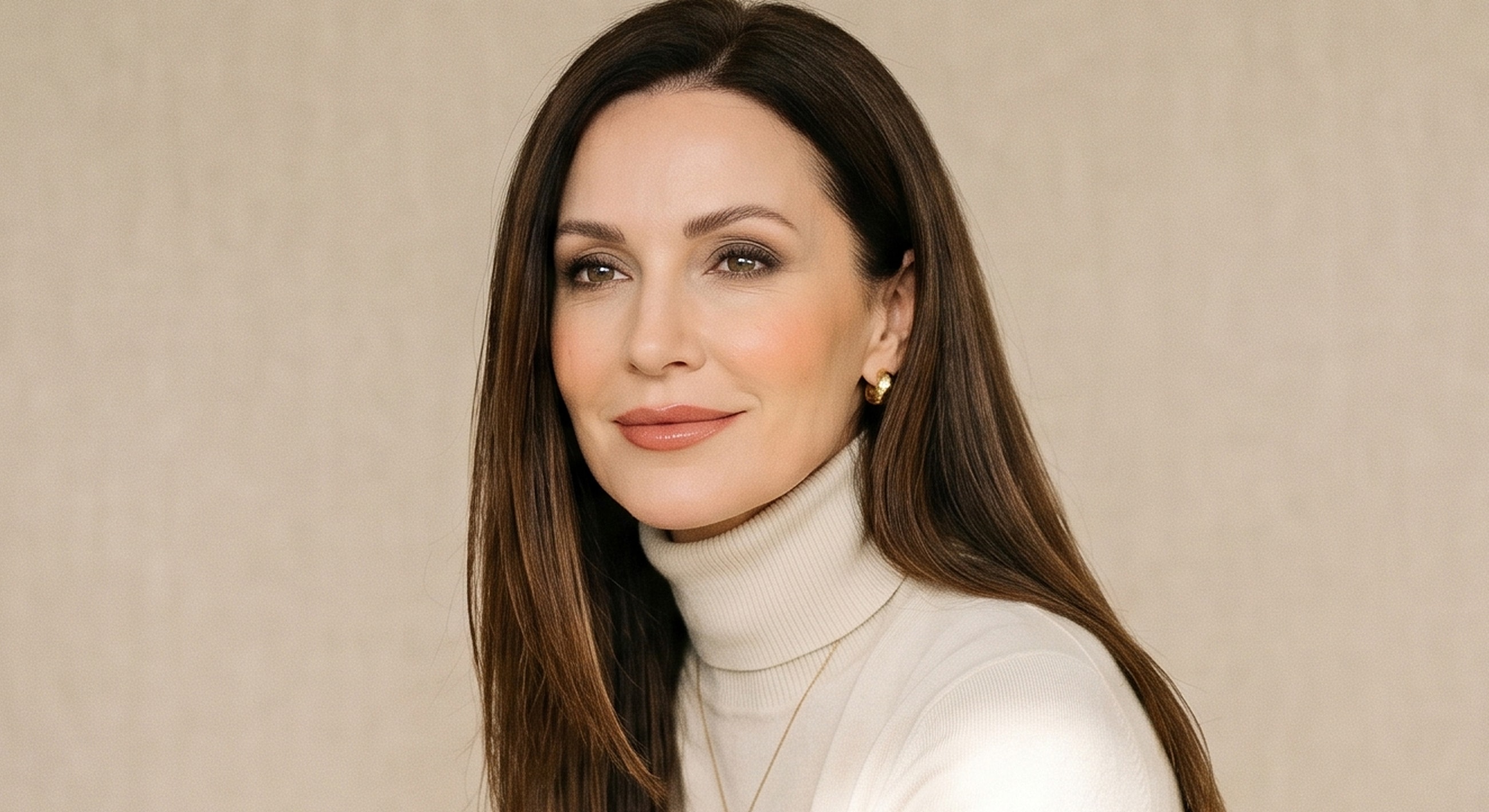
Dr. Noah Sands brings specialized expertise in facial plastic surgery to his Beverly Hills practice, where he focuses exclusively on procedures that enhance and rejuvenate the face and neck. His approach to facelift surgery prioritizes natural results that complement each patient’s unique facial anatomy and aesthetic goals. Located in the heart of Beverly Hills, Dr. Sands combines advanced facelift techniques with personalized patient care, ensuring every individual receives a treatment plan tailored to their specific concerns and desired outcomes.
Addresses sagging skin, jowls, deep nasolabial folds, and loss of jawline definition
Typically 2-4 hours, depending on technique and treatment areas
Most patients return to work after approximately two weeks
Natural-looking improvements lasting 10-15 years
Our Beverly Hills facelift, medically known as rhytidectomy, is a surgical procedure designed to address visible signs of facial aging by repositioning sagging facial skin and underlying tissues. Modern facelift surgery goes beyond simply removing excess skin; it works at deeper tissue layers to restore facial structure, volume, and youthful contours.
Dr. Sands evaluates each patient’s facial anatomy, skin quality, and aesthetic goals to recommend the most appropriate technique for achieving natural facial rejuvenation. Several facelift options exist to address different degrees of facial aging:
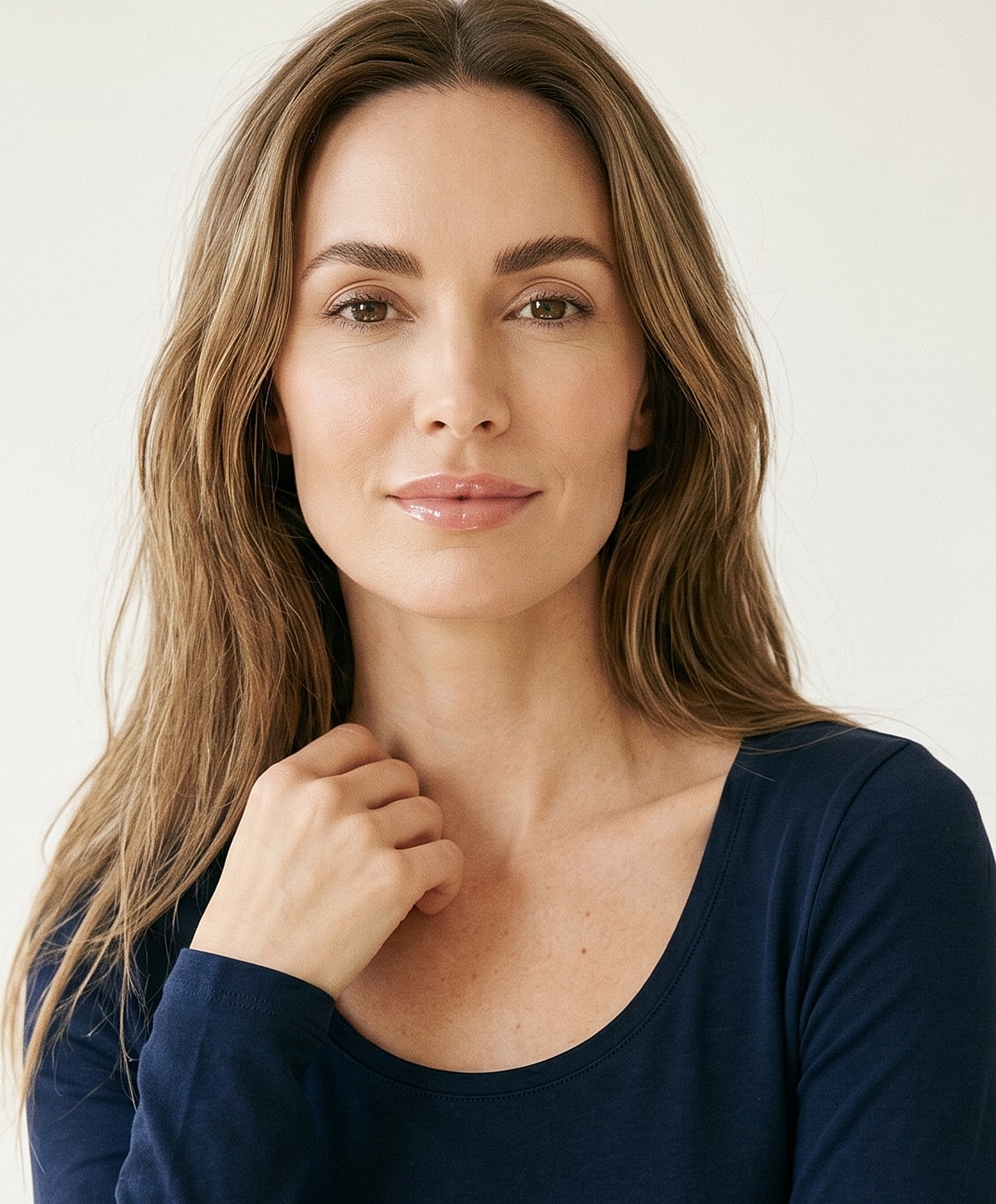
A comprehensive approach that addresses the lower face, jawline, and upper neck through incisions placed along natural skin creases near the ears and hairline. The SMAS facelift targets a layer of facial tissue below the skin, providing significant lift and contouring with natural, long-lasting results.
An extended SMAS facelift involves an incision in the SMAS and elevates deeper tissues to reposition them to a higher, tighter position, providing more extensive results than a traditional SMAS facelift. This technique is particularly effective for addressing neck tissues and platysma banding.
The deep plane facelift involves repositioning the layers of muscle and fat beneath the SMAS, providing a comprehensive and natural-looking lifting effect. This technique offers exceptional results for patients with significant midface descent and deep nasolabial folds.
A mid-facelift specifically targets the middle portion of the face, particularly the cheeks and the area around the nose and mouth, using incisions typically made in the hairline or inside the mouth.
Our Beverly Hills facelift surgery with Dr. Sands follows a carefully planned sequence designed for patient safety and optimal outcomes. The procedure typically takes 2-4 hours, though more extensive techniques like deep plane rhytidectomy or combined face and neck surgery may require additional time.
On surgery day, patients arrive at the Beverly Hills plastic surgery facility, where pre-operative markings are made while standing to accurately map the gravitational descent of facial tissues. General anesthesia is administered to ensure complete comfort throughout the procedure.
Dr. Sands creates incisions along natural skin creases, typically beginning at the temples within hair-bearing skin, continuing around the ear in the natural crease, and extending behind the ear into the hair-bearing scalp. This strategic placement minimizes visible scarring while providing access to the deeper tissues.
The surgical procedure involves carefully elevating skin flaps and addressing the SMAS layer using techniques tailored to each patient’s needs. Retaining ligaments connecting facial tissues to the underlying bone structure are released as needed, allowing repositioning of facial and neck tissues. For patients requiring neck surgery, the platysma muscle is tightened to address sagging and banding.
Excess skin is precisely trimmed, and incisions are closed with meticulous attention to avoid facial nerve injury and promote optimal healing. Most patients experience the procedure as smooth and well coordinated thanks to Dr. Sands’ experience and refined technique.
During your consultation with Dr. Sands, you’ll receive a comprehensive evaluation of your facial anatomy, skin quality, and areas of concern. This assessment includes examining the position of the facial tissues, evaluating the facial skeleton, and discussing your aesthetic goals in detail.
Dr. Sands explains which facelift technique would best address your concerns, whether a traditional facelift, a deep-plane facelift, an extended SMAS facelift, or a combination approach. Photography documents your current appearance for surgical planning, and you’ll have the opportunity to ask questions about the procedure, recovery, and expected results.
Preparation for facelift surgery includes several important steps:
Dr. Sands and his team provide detailed pre-operative instructions tailored to your individual situation, ensuring you feel fully prepared for surgery day.

Facelift surgery effectively treats multiple concerns associated with facial aging:
Facelift surgery provides comprehensive facial rejuvenation across multiple treatment zones. The procedure addresses the mid-face, including cheeks and malar region, the lower face encompassing the jowls and jawline, and the upper neck, including submental tissues. When combined with a dedicated neck lift, patients achieve balanced rejuvenation of facial features from the cheekbones to the base of the neck, addressing the parotid and cheek area through the entire neck profile.

Facelift surgery delivers meaningful improvements that extend well beyond physical appearance. The procedure creates lasting changes that help patients feel more confident and aligned with their internal sense of vitality.
Patients who undergo facelift surgery often report significant improvements in their self-esteem and overall emotional well-being, as the procedure can enhance their appearance and help them feel more youthful and confident.
Ideal candidates for our Beverly Hills facelift surgery share several characteristics that contribute to successful outcomes:
Certain factors may indicate that facelift surgery is not appropriate at this time. Patients with body dysmorphic disorder may have unrealistic expectations about facelift outcomes, leading to dissatisfaction and increased risk of complications.
Active smoking, uncontrolled medical conditions, use of blood-thinning medications, or inability to follow post-operative instructions may necessitate postponing surgery.
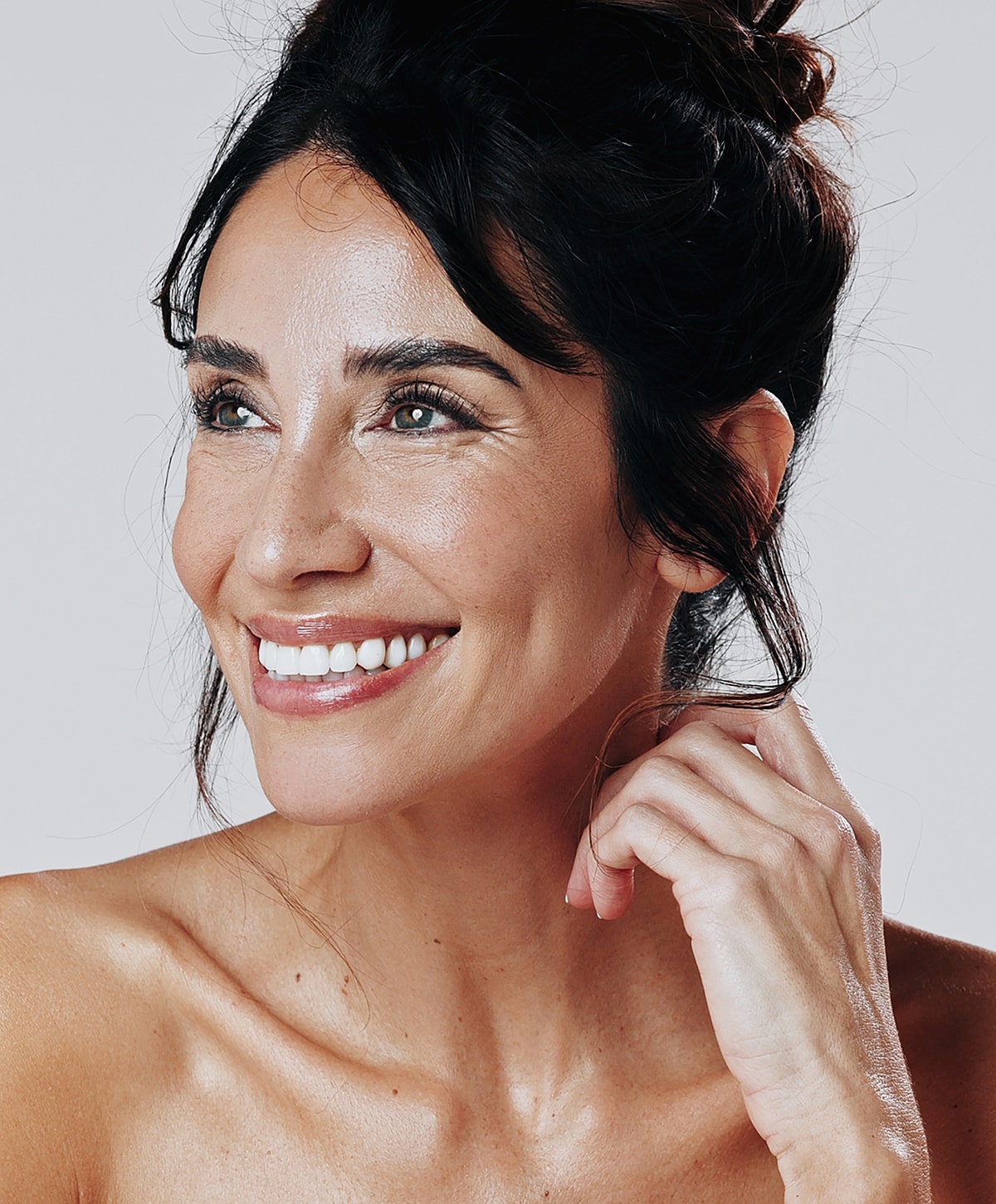
Recovery from a facelift typically takes two to three weeks, with many patients feeling comfortable returning to work after about two weeks. Understanding what to expect helps you plan appropriately and optimize your healing.
Temporary side effects like bruising, prolonged swelling, and discomfort are common after surgery. Dr. Sands provides detailed aftercare instructions, including wound care, activity restrictions, sun protection for healing incisions, and follow-up appointment schedules. Most patients find recovery manageable with appropriate preparation and support.
First Week
During the first week post-op, patients may experience swelling and bruising; it is important to follow post-op instructions closely to facilitate recovery. Keeping your head elevated helps minimize swelling. You’ll have dressings applied that are usually removed within 1 to 2 days post-op, and some patients have small drains that are removed within a few days.
Days 5-10
Most sutures and staples are removed within 5 to 10 days after surgery. Swelling and bruising begin to subside noticeably, though some residual swelling may persist for several weeks.
Weeks 2-4
Most patients feel comfortable appearing in public by week two, though some bruising may remain. Light activities can resume gradually, but strenuous exercise and heavy lifting should be avoided for several weeks.
Months 1-6
Final results emerge as remaining swelling resolves and tissues settle into their new positions. Scars continue to mature and fade during this period.
Facelift surgery results emerge gradually as healing progresses. Initial improvements in facial contours are visible once early swelling subsides, typically within two to three weeks. However, the full effect of your procedure becomes apparent after 3 to 6 months as deeper tissues settle and scars mature.
The transformation includes restored jawline definition, smoothed nasolabial folds, elevated cheeks, and a more refreshed overall appearance. Patients consistently report looking naturally rejuvenated rather than “done”—the hallmark of skilled facial plastic surgery.
Results from SMAS-based and deep plane facelift techniques typically last 10-15 years, with many patients seeking revision around 10-11 years post-procedure. The natural aging process continues, but from a more youthful starting point. Maintaining a stable weight, protecting skin from sun damage, following good skincare practices, and avoiding smoking all help preserve your results. Some patients choose to complement their facelift with other cosmetic procedures, such as dermal fillers or skin resurfacing, to enhance and extend their rejuvenation.
Dr. Noah Sands represents the standard of excellence expected from a facial plastic surgeon practicing in Beverly Hills. Surgeons should be certified by the American Board of Plastic Surgery (ABPS) or the American Board of Facial Plastic and Reconstructive Surgery (ABFPRS), and board certification is the baseline requirement for surgeons performing facelifts in the Beverly Hills market. Dr. Sands maintains privileges at reputable nearby hospitals, indicating he has passed rigorous background and training checks.
His specialized training in facial plastic and reconstructive surgery, combined with extensive experience performing advanced facelift techniques, translates to refined judgment and technique. High-volume surgeons who perform more facelifts annually often have more refined judgment and technique. Dr. Sands’ focus exclusively on head and neck surgery and facial aesthetic surgery ensures patients receive care from a practitioner whose expertise is concentrated where it matters most.
Beyond credentials, Dr. Sands’ approach emphasizes natural results tailored to each patient’s unique facial structure and goals. His Beverly Hills practice features state-of-the-art surgical facilities and a dedicated team committed to patient safety and satisfaction throughout the surgical experience.
Most patients undergo facelift surgery with general anesthesia, ensuring complete comfort throughout the procedure. For less extensive procedures, deep sedation with local anesthesia may be appropriate. Dr. Sands discusses anesthesia options during your consultation.
Results from modern facelift techniques, including deep plane and SMAS-based approaches, typically last 10-15 years. Individual factors, including skin quality, lifestyle choices, and the natural aging process, influence longevity. Many patients seek revision procedures around 10-11 years following their initial surgery.
All surgery carries inherent risks, including bleeding, infection, and reactions to anesthesia. Facelift surgery carries risks such as bleeding, infection, nerve damage, and poor wound healing, which can occur in any surgical procedure. Hematomas are the most common complication after facelift surgery, occurring in less than 2% of cases, and require prompt management to prevent further complications.
Skin necrosis can occur after facelift surgery, particularly in smokers, and is more common with techniques that do not provide adequate vascularity to the skin flaps. Injury to the facial nerve is a potential risk during facelift surgery, which can lead to temporary or permanent changes in facial movement. Dr. Sands’ surgical expertise and careful patient selection help minimize these risks.
Recovery from a facelift typically takes two to three weeks, with many patients feeling comfortable returning to work after about two weeks. Those in public-facing roles may prefer additional time. Strenuous activities should be avoided for several weeks as directed by Dr. Sands.
Modern facelift techniques, particularly SMAS and deep plane approaches, produce natural-looking results by addressing deeper tissues rather than simply pulling skin tight. Dr. Sands’ expertise in facial anatomy and strategic lifting vectors ensures rejuvenation that looks refreshed rather than done.
Yes, facelift surgery is frequently combined with additional facial procedures for comprehensive rejuvenation. Common combinations include neck lift for complete lower face and neck improvement, brow lift, eyelid surgery, and fat grafting to restore facial volume. Dr. Sands helps determine which combination best addresses your individual concerns.
The cost of facelift surgery varies depending on the individual treatment plan and the complexity of the technique. The cost of facelift surgery in the U.S. typically ranges from $12,000 to $25,000, including the surgeon’s fee, anesthesia, facility costs, and follow-up care. In Beverly Hills, costs often reflect the expertise of highly trained specialists and premium facility standards.
Factors influencing the cost of a facelift include the surgeon’s experience, the complexity of the procedure, and the practice's geographic location. Additional considerations include:
Insurance typically does not cover facelift surgery as it is considered an elective cosmetic procedure. Many practices offer financing options to help patients manage the costs associated with facelift surgery. During your consultation, you’ll receive a detailed estimate based on your specific treatment plan.