Septoplasty
Los Angeles, CA

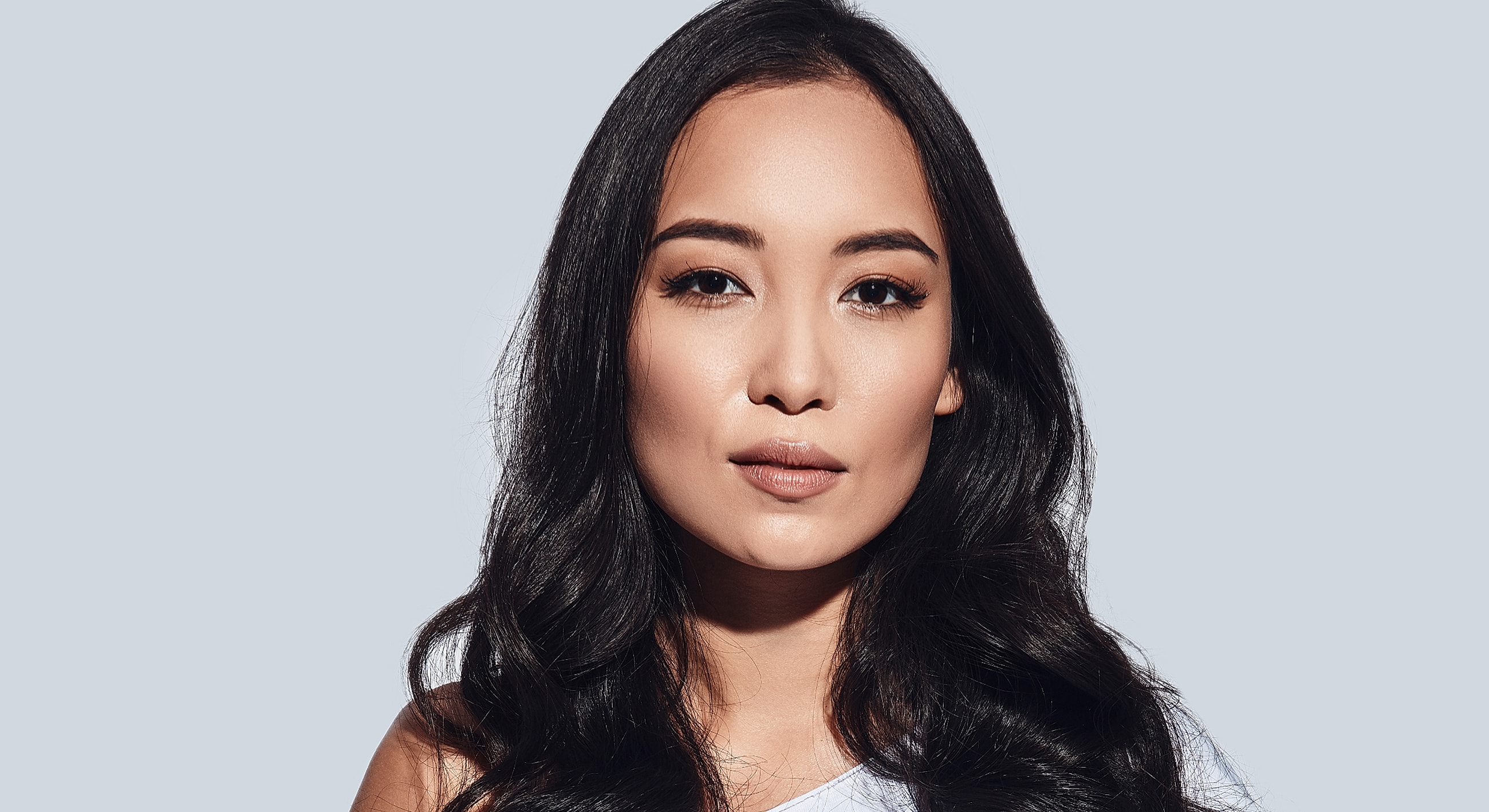
When difficulty breathing through your nose affects your daily comfort, sleep quality, or overall health, septoplasty offers a proven surgical solution. Dr. Noah Sands provides expert septoplasty surgery at his Beverly Hills practice, helping patients overcome the frustrating symptoms of a deviated nasal septum. With advanced surgical techniques and a commitment to personalized care, Dr. Sands delivers functional improvements that enable patients to breathe more easily and enjoy a better quality of life.
30 to 90 minutes
General anesthesia
About one week before returning to daily activities
1 to 3 months for complete recovery
The nasal septum is the wall of bone and cartilage that divides your nasal cavity into two passages. When this structure shifts away from the midline (a condition called a deviated septum), it can significantly narrow one nasal passage, making it difficult to breathe through the nose. A deviated nasal septum may result from injury, trauma, or develop naturally during growth.
Septoplasty is a surgical procedure designed to straighten a crooked septum and restore proper nasal airflow. During the septoplasty procedure, the surgeon repositions the septum cartilage and bone to the center of the nose, removing or reshaping portions that cause airway obstruction. This nasal surgery addresses the functional aspects of breathing rather than changing the external appearance of the nose.
It is important to understand that septoplasty is not the same as rhinoplasty. Septoplasty does not change the external appearance of the nose, whereas rhinoplasty is a cosmetic procedure that does. However, both procedures can be combined when patients need both functional correction and aesthetic enhancement.

On surgery day, patients arrive at the surgical facility where the medical team prepares them for the outpatient surgery. Before the procedure begins, general anesthesia is administered to ensure complete comfort throughout the operation.
During an endonasal septoplasty, the surgeon typically makes a small incision along the caudal edge of the cartilaginous septum inside the nose, leaving no visible external scars. The surgeon then raises mucoperichondrial flaps to expose the quadrangular cartilage and the underlying bony structures.
Using precise surgical techniques, Dr. Sands reshapes or removes the deviated portions of the septum cartilage and bone while preserving the structural integrity of the nose. Septal spurs and other obstructions are addressed to maximize nasal airway improvement. For complex septal deformities, extracorporeal septoplasty may be used, where the entire septal cartilage is removed, corrected, and then replaced.
Nasal septoplasty in Beverly Hills can be performed using various surgical techniques, including endonasal, endoscopic, and open procedures, depending on the severity and location of the deviation. Silastic splints or nasal packing may be placed in the nostrils to support healing and reduce the risk of intranasal adhesions.
The duration of septoplasty is generally between 30 to 90 minutes. For Septoplasty Beverly Hills patients will typically have it done on an outpatient basis, meaning patients go home the same day after a brief observation period in the recovery room.
Septoplasty is commonly used to treat conditions including a deviated septum, chronic sinusitis, obstructive sleep apnea, recurrent nosebleeds, and nasal polyps. The primary indication for septoplasty is a nasal septal deformity, typically a deviation that causes significant nasal airway obstruction and nasal blockage symptoms.
Correcting a deviated septum provides meaningful improvements in daily function and overall well-being:
Improved nasal breathing and easier airflow through both nasal passages
Reduced snoring and better sleep quality
Decreased frequency and severity of sinus infections
Relief from chronic nasal congestion and nasal obstruction
Better oxygen intake during physical activities and exercise
Reduced nosebleeds from improved nasal tissue health
Enhanced sense of smell when nasal tissues heal properly
Improved quality of life and daily comfort
Decreased reliance on nasal sprays and decongestant medications
Ideal candidates for septoplasty in Beverly Hills have significant septal deviation, resulting in persistent symptoms that interfere with breathing and daily comfort. Patients who have significant breathing issues despite conservative treatments, such as nasal sprays, decongestants, or allergy management, may be recommended for a septoplasty.
Good candidates typically present with:
Before undergoing septoplasty, patients should provide a complete medical history, including details about any medications or supplements they are taking, as some may need to be stopped prior to surgery. A thorough physical examination, including a head and neck examination and anterior rhinoscopy, is essential to evaluate the nasal septum and determine the appropriateness of surgery.
Certain factors may affect candidacy, including active nasal infections, uncontrolled medical conditions, or minimal symptoms despite visible deviation. During consultation, Dr. Sands evaluates each patient’s anatomy, symptoms, and goals to determine whether septoplasty will provide meaningful improvement.
Initial recovery from septoplasty typically takes about a week, while full healing may take 1 to 3 months. Understanding what to expect during each phase helps patients prepare for a smooth healing process.
Patients may experience changes in their sense of smell or develop intranasal adhesions after septoplasty, although the latter can be minimized with the use of silastic splints. Most patients notice progressive improvement in nasal breathing as the healing process continues.
Patients typically notice improved breathing within the first few weeks as post-surgical swelling resolves, though full results develop over three to six months as nasal tissues completely heal. The correction of septal deviation is permanent, providing lasting relief from the breathing difficulties that prompted surgery.
Long-term complaints after septoplasty can include insufficient improvement in nasal breathing, which may arise from various factors such as trauma or technical errors during surgery. However, most patients experience significant, sustained improvement in nasal airflow, reduced congestion, and better sleep quality. The functional benefits of septoplasty include improved exercise tolerance, fewer sinus infections, and reduced reliance on nasal medications.
Dr. Noah Sands brings specialized expertise in facial plastic surgery and nasal surgery to every septoplasty procedure. His Beverly Hills plastic surgery practice features state-of-the-art facilities equipped with advanced technology for precise surgical correction of septal deviations.
Dr. Sands takes a personalized approach to each patient’s care, thoroughly evaluating nasal anatomy and breathing patterns to develop customized treatment plans. His mastery of multiple surgical techniques, including endoscopic and extracorporeal approaches, allows him to effectively address everything from straightforward deviations to complex septal deformities.
Patients benefit from comprehensive care that extends from initial consultation through complete recovery, with attentive follow-up visits to monitor healing and ensure optimal outcomes.
After septoplasty Beverly Hills patients can expect mild to moderate discomfort, often described as similar to a sinus infection, which typically fades within a few days. Oral pain medications and careful postoperative care effectively manage any discomfort during the healing process.
The duration of septoplasty is generally between 30 to 90 minutes, depending on the complexity of the deviation and whether additional procedures such as turbinate reduction or sinus surgery are performed simultaneously.
Complications from septoplasty can include excessive bleeding, which may require nasal packing or cautery to manage. Septal hematomas can occur if bleeding happens beneath the mucoperichondrium, necessitating drainage to prevent infection and potential deformities. Infection, nasal obstruction, and prolonged healing are potential risks associated with septoplasty, although infections are rare and usually treatable with antibiotics. Septal perforation occurs in approximately 2-3% of cases.
Most patients can return to work, school, or other daily activities within about 1 week after septoplasty, although recovery time may vary depending on the complexity of the procedure. Heavy lifting and strenuous activities should be avoided for several weeks.
Septoplasty does not change the external appearance of the nose, whereas rhinoplasty is a cosmetic procedure that does. The incisions are made inside the nose, leaving no visible scarring. Patients seeking both functional and cosmetic improvements may discuss combining septoplasty with rhinoplasty.
Septoplasty costs vary based on the complexity of the procedure, anesthesia requirements, facility fees, and whether additional procedures are performed. Many insurance plans cover septoplasty when performed for documented medical necessity. During your consultation, our team will discuss costs and help verify your insurance coverage.